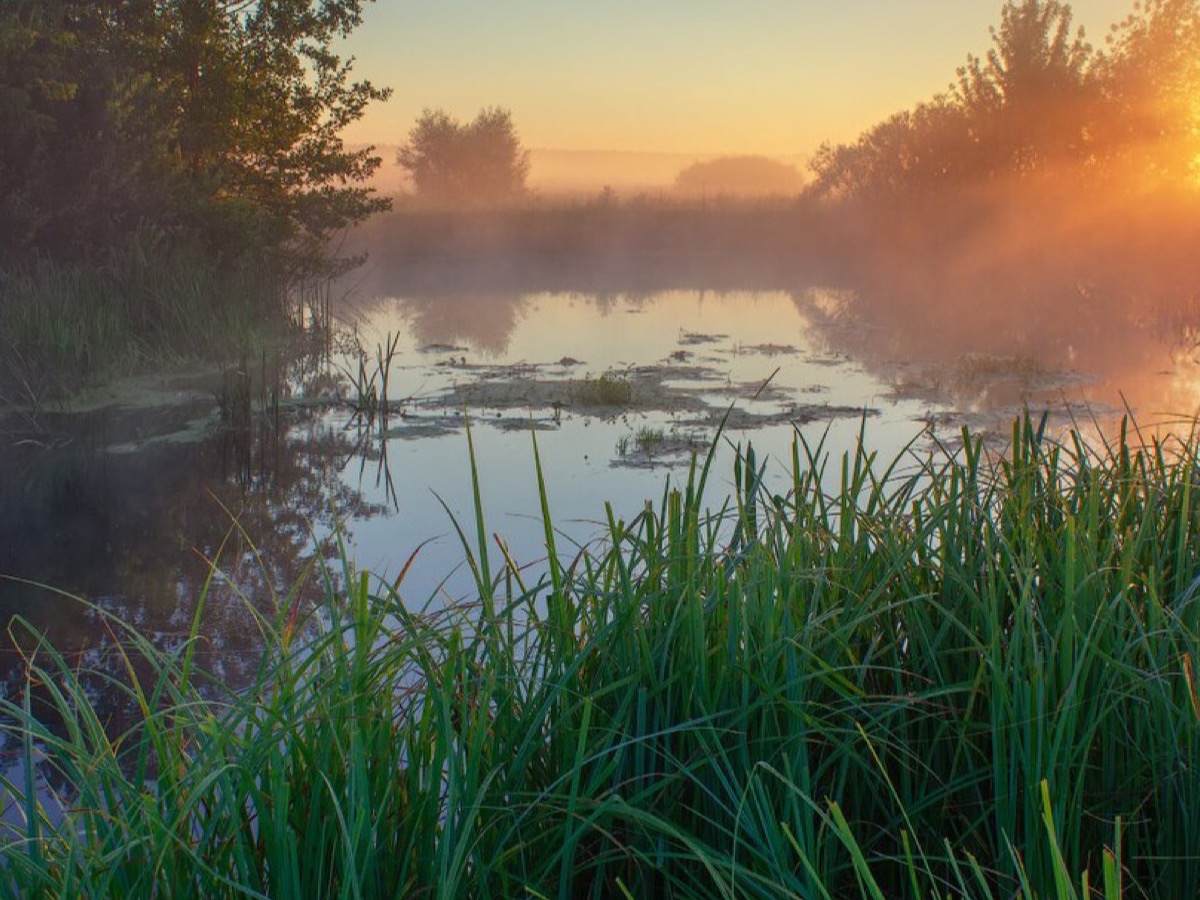
Walking out an hour before sunrise is not about the sunrise. It is about the estuary while it is still unobserved.
The alarm goes at half four and by five I am at the sea wall with a torch in my pocket and the hood up. There is no light yet, only a change in the texture of the dark. The tide is out and the creek is a black line between black banks. Something small moves in the grass and stops. I stand still until my eyes adjust and then walk on, slowly, without the torch.
The estuary before visitors
An hour before sunrise the estuary belongs to the birds. Redshank whistle from the creek, one after another, a sound like a gate on dry hinges. A curlew calls somewhere out on the mud. The oystercatchers are already awake and arguing. None of it is for me. It is the ordinary business of a place getting on with its day.
This is the hour when the marsh is least disturbed and most itself. No dogs, no runners, no cars on the lane. The air is cold enough to show my breath and the mud smells strong and clean. I keep to the wall and let the sounds come.
Barn owls and other luck
Some mornings bring a barn owl, pale and silent, working the rough grass beyond the gate. It crosses the field in a low line and is gone before I can properly focus. Other mornings bring nothing rarer than a robin. Both are good. Dawn does not owe anyone a spectacle.
Once, in the dark before a December high tide, a dog otter crossed the path ten metres ahead of me and slid into the creek without a sound. I stood there for a full minute afterwards, grinning at nothing. The estuary keeps a few things back. That is part of why I come.
The light arrives
The sky goes grey at the edges first, then pink, then a thin band of orange along the eastern bank. The mud begins to show its shape: the gullies, the footprints, the lugworm casts like small coiled ropes. The water in the creek turns from black to brown to a dull silver. A shelduck wakes with a hoarse chuckle and flaps down the channel.
Sunrise itself is brief and often behind cloud. It is the half hour before it that matters, the slow uncovering. By the time the sun clears the bank the spell is already breaking. A car door slams in the village. A dog barks. The day arrives with its list of things to do.
Going out in the dark
There is nothing difficult about it, but a few habits help. Tell someone where you are going. Carry a torch even if you do not use it. Wear more layers than you think you need and take a flask. Check the tide the night before; a dawn low is a dawn low, but the water can come back faster than expected. Keep to the wall and the known path until the light is good.
Then stop walking and stand. The best of the hour is not at the far end of the walk. It is in the middle of it, in the dark, with the marsh waking around you and the first grey line coming up over the bank.
The walk back
At seven the light is ordinary and the first dog walkers are out. I turn for home with cold hands and mud to the ankle and a head full of small, specific things: the owl's low line, the otter's wake, the redshank whistle. The day has not started for anyone else yet. That is the point of going out before it does.